
Freelance work continues to expand at a massive scale, with the global freelance economy reaching a value of $1.3 trillion in 2023. Digital platforms such as Upwork, Fiverr, and Twine make it easier than ever for designers to connect with clients worldwide.
Increased accessibility also creates opportunities for scammers to target freelancers who rely on online communication and remote payments.
Freelance designers often face fake clients, payment manipulation, and security threats that look professional at first glance.
Awareness of common scam patterns helps protect income, time, and personal data.
Clear warning signs and practical prevention strategies allow designers to work confidently while avoiding costly mistakes.
Red Flags Designers Should Never Ignore
Online freelance work creates strong opportunities, yet scam tactics grow more convincing each year.
Fake clients often mimic professional behavior while hiding warning signs in plain sight.
Awareness of these patterns allows designers to spot problems early and avoid financial or security damage.
Unrealistic Job Offers

Many fraudulent offers rely on excitement and speed.
Messages may promise fast onboarding, minimal effort, and unusually high compensation without reviewing past work or asking detailed questions.
Serious clients invest time evaluating skills before discussing pay.
Data about extreme pay claims helps clarify risk levels. Marketing roles have been reported at rates reaching INR 16,876 per hour, yet anything dramatically higher than standard industry pricing should trigger caution.
Context around pay expectations often reveals intent:
- Signs commonly tied to unrealistic offers include
- Guaranteed income without deadlines or deliverables
- Immediate acceptance without portfolio review
- Claims of daily earnings such as $300 with no prior experience
Professional clients favor safer options such as escrow systems, invoices, or verified processors.
In contrast, some sectors, like non-GamStop gaming options for players, may still rely on alternative payment methods, which require extra caution and due diligence.
Communication Red Flags
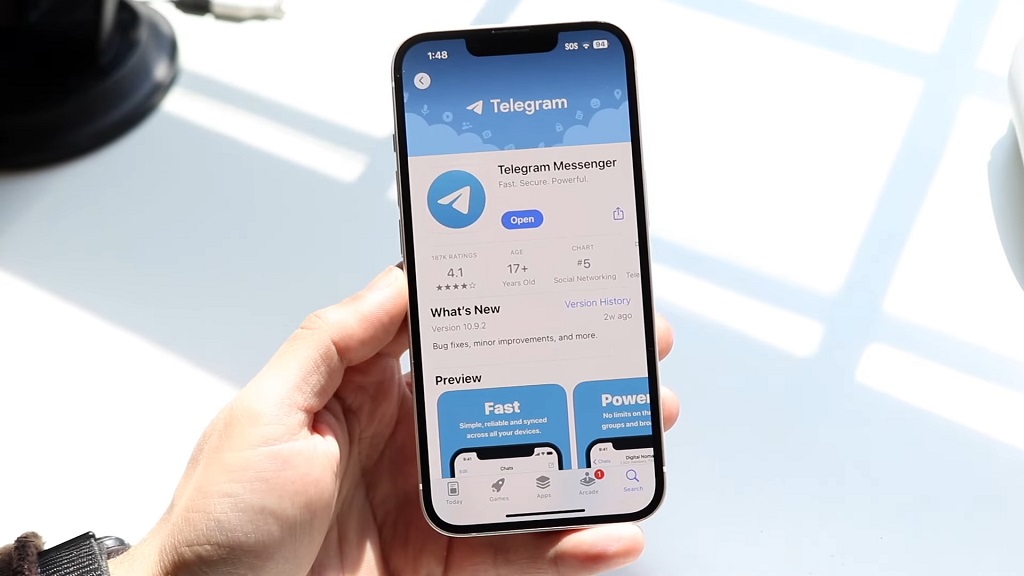
Pressure to move conversations off trusted platforms appears early in many scams.
Requests to continue discussions on Telegram, WhatsApp, or personal email remove built-in protections tied to verified platforms.
Platform safeguards exist for a reason. Dispute resolution, payment tracking, and identity verification disappear once communication shifts elsewhere.
Language choices often reveal motives.
Common phrases used to redirect conversations include:
- “Let’s move to Telegram for faster replies”
- “Contract details will be sent by email”
Reliable clients prefer platform messaging until agreements and payments remain secured.
Unverified or Suspicious Client Profiles
Client profiles reveal valuable signals. Missing payment verification, lack of hiring history, or zero freelancer reviews raise concern.
Generic business descriptions and free email accounts instead of company domains further reduce credibility.
Platform tools support safer decision-making. On Upwork, indicators such as payment verified badges, total spending amounts, and repeat hires offer insight into client reliability. Skipping profile checks increases exposure to fraud.
Overpayment Tricks and Payment Fraud
Payment manipulation ranks among the most damaging scams. Overpayment schemes rely on confusion and trust, often paired with urgency to act quickly.
The Classic Overpayment Scam
Scammers send payments larger than agreed, usually via fake checks or manipulated PayPal transfers.
Requests follow asking designers to return the excess amount. Original payments later fail or bounce, leaving freelancers responsible for refunded funds.
Visual inconsistencies often appear before damage occurs. Warning details may include:
- Blurry or poorly edited check images
- Bank documents lacking official formatting
- Urgent requests to refund quickly
- Careful verification before refunding any funds prevents major losses.
Pay-to-Work and Fake Expense Schemes
Legitimate clients never ask freelancers to pay upfront. Scams often disguise fees as onboarding costs, software purchases, or training expenses. Crypto verification schemes also appear, demanding deposits to unlock payments.
AI training roles and crypto wallet checks rely on urgency and technical language. Any request requiring payment before compensation signals fraud.
Cryptocurrency and Gift Card Payments

Payment method choices reveal intent. Cryptocurrency and gift cards remain untraceable and non-refundable, removing options for disputes or recovery.
Professional clients favor safer options such as escrow systems, invoices, or verified processors. Refusal to use standard payment channels often points toward malicious behavior.
Requests for Free Work Disguised as Tests
Design tests can cross ethical lines. Scammers may request full custom designs, multiple unpaid revisions, or complete branding packages while calling them skill evaluations.
Promises often replace payment with vague benefits. Common tactics include:
- Claims of future paid work
- Offers of exposure instead of compensation
- Requests for final files as part of testing
Protection starts by sharing watermarked samples or existing portfolio links. Scammers frequently gather free work by repeating these requests across many designers.
Phishing and Malware Risks in Freelance Work
Digital threats extend past financial scams. Fake contracts or briefs may arrive as PDF or ZIP files containing malware.
Fraudulent job links often aim to steal login credentials or personal data.
Requests for sensitive documents before contracts present serious danger.
Secure habits reduce exposure, including avoiding downloads tied to unverified contacts and rejecting off-platform links during early conversations.
Best Ways to Avoid Scams
Strong habits and verification processes lower risk significantly. Consistency matters more than speed when evaluating new opportunities.
Secure Communication and Payments
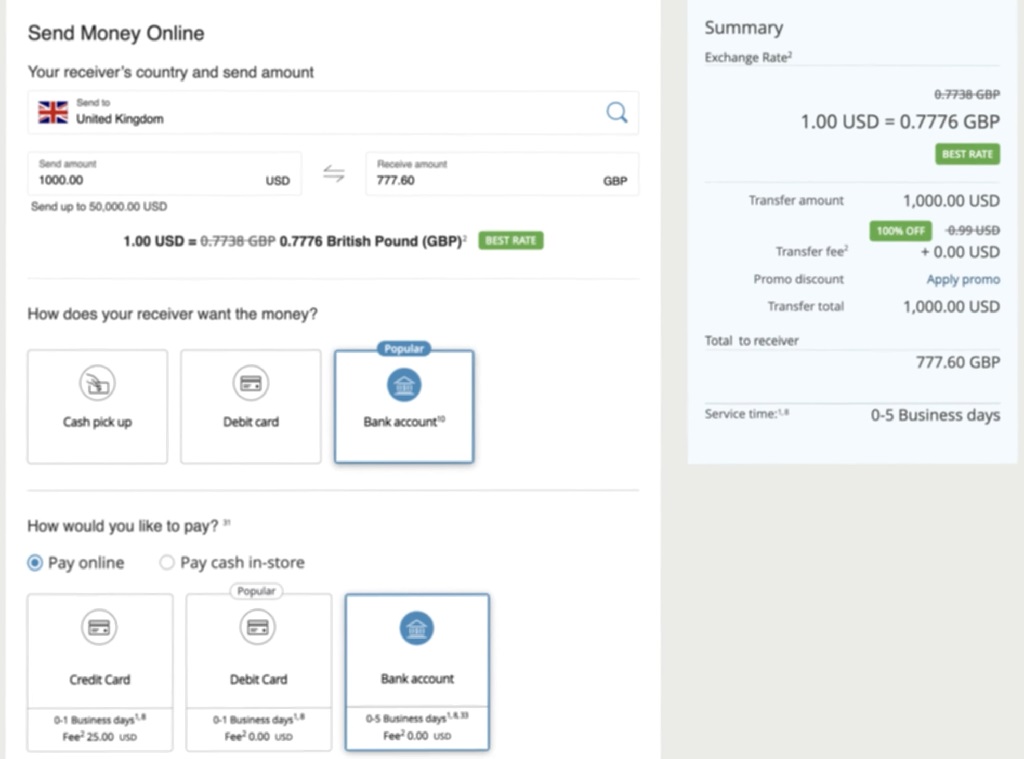
Platform-based communication provides accountability and protection. Escrow systems secure funds until milestones reach completion, reducing payment disputes.
High-risk payment methods remain common among scammers. Options to avoid include:
- Western Union or MoneyGram
- Crypto-only transfers
- Direct bank deposits without written agreements
Traceable and reversible payments support safer workflows.
Client Verification Strategies
Research strengthens freelancer safety. Company websites, domain-based email addresses, and active LinkedIn profiles increase credibility.
Reviews on platforms like Glassdoor or Clutch offer additional perspective.
Upwork spending history and hiring patterns help distinguish legitimate clients from short-term scam accounts.
Contractual Safeguards
Written agreements protect both parties. Clear scopes, deadlines, deliverables, and revision limits reduce misunderstandings.
Payment milestones tie compensation to progress and accountability.
Vague expectations and rushed timelines often signal scam attempts. Contracts discourage such behavior by setting firm boundaries.
Actions to Take After a Scam
Quick action limits further damage.
Ending communication immediately stops manipulation. Screenshots and saved messages preserve evidence for reports.
Platform reporting improves the chances of account removal. Security steps matter after data exposure, including password updates, two-factor authentication, and malware scans.
Identity theft concerns require contact with local cybercrime authorities.
Summary
Scammers rely on trust, urgency, and lack of experience.
Awareness reduces vulnerability and builds confidence during client negotiations.
Instincts play a major role in risk prevention. Projects that feel suspicious often carry hidden dangers.
Sharing experiences, reporting scams, and using secure platforms protect both individual freelancers and the wider design community.