
Fitness centers use technology to remove repetitive admin, speed up member visits, and make service feel more personal. The main tools are gym management software, mobile booking, automated billing, digital check-in, member apps, connected equipment, wearables, client relationship tools, and reporting dashboards.
For owners, the value is fewer manual tasks and better use of staff hours. For members, the value is simpler booking, shorter queues, clearer progress, and fewer account problems.
Scale makes the topic urgent. The Health & Fitness Association reported that 81 million Americans belonged to a fitness facility in 2025, while almost 7 billion visits were recorded nationwide.
ACSM named wearable technology the top fitness trend for 2026, based on a survey of 2,000 clinicians, researchers, and exercise professionals.
Why Technology Matters In Fitness Centers In 2026
A busy gym runs on small interactions: booking, check-in, payments, trainer notes, class capacity, package renewals, and progress tracking. Without connected systems, staff repeat the same tasks all day.
Good technology removes predictable friction. It does not replace human service. It gives staff more room to greet new members, solve account problems, correct exercise form, and notice when someone needs support.
Core Technologies That Save The Most Time
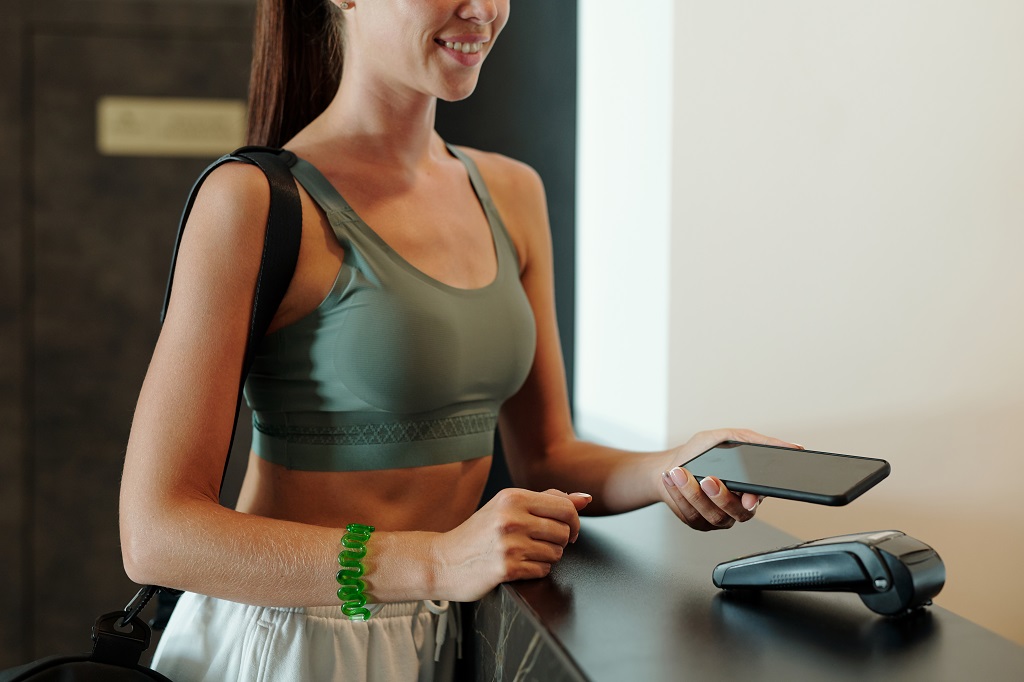
The strongest time savings come when systems share information. For group training, a Workout Timer is one of the simplest examples: it reduces repeated instructions, keeps intervals visible, and helps coaches run sessions without constantly watching the clock.
A booking tool helps. A booking tool connected to payments, attendance, reminders, staff calendars, and member profiles helps far more.
| Technology | Staff Time Saved | Member Benefit | Risk |
| Online booking | Fewer calls and manual class edits | Faster reservations | Confusing cancellation rules |
| Digital check-in | Less front desk scanning | Quicker entry | Hardware needs backup |
| Automated billing | Less payment chasing | Cleaner account history | Cold payment messages |
| Member apps | Fewer account questions | Self-service changes | App fatigue |
| Connected equipment | Less manual logging | Better workout continuity | Upgrade cost |
| Dashboards | Faster staffing choices | Better class availability | Bad data misleads |
Booking And Check-In Reduce Front Desk Pressure

Online booking saves time because members stop relying on staff for routine reservations. Mindbody lists booking, scheduling, reporting, payments, staff management, marketing, and branded apps as core tools for fitness and wellness businesses.
Its public product page also says more than 600 million classes and appointments were booked through Mindbody last year.
A boxing gym or Pilates studio feels the difference quickly. A member can reserve a 6:30 p.m. session, join a waitlist, receive a reminder, and cancel inside the policy window without calling reception.
ABC Glofox describes gym app features such as class booking, check-ins, membership billing, account management, waitlists, and automated reminders. Its platform also links quick check-ins with access rules, attendance, and policies, which matters during crowded arrival windows.
The human result is plain: staff spend less time saying, “Let me check the schedule,” and more time solving problems that need judgment.
Automated Billing Fixes An Awkward Service Problem
Automated billing helps fitness centers avoid one of the least pleasant parts of service: chasing payments face to face.
Recurring billing, card update prompts, failed-payment alerts, and account dashboards reduce awkward desk conversations. The best setup does not embarrass a member at entry. It sends a clear message, gives a payment link, and lets staff intervene only when needed.
Poor automation creates another problem. A member who receives aggressive reminders after a card expires may feel treated like a number. Billing workflows should use plain language, reasonable grace periods, and a clear path to a person.
Wearables And Apps Make Coaching More Personal
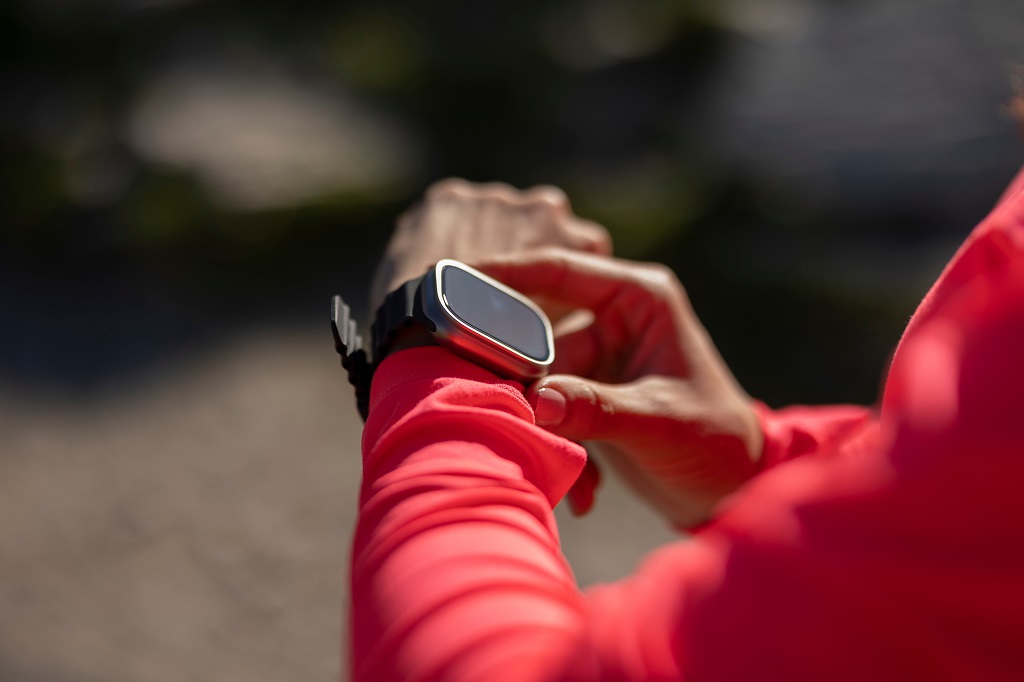
Wearables matter because they extend fitness service beyond the building. A member may train twice per week with a coach, but steps, heart rate, sleep, recovery, and running volume happen outside the gym.
ACSM ranked wearable technology first among 2026 fitness trends, while mobile exercise apps ranked fourth in its broader fitness trends list. That pairing shows where service is moving: members expect gyms and studios to work with data already collected on phones, watches, and apps.
For a trainer, wearable data can reveal patterns that a session log misses. A client who struggles every Monday may need a lighter session after poor weekend sleep, not a harder plan.
The safest use is advisory, not diagnostic. A coach can adjust intensity based on recovery scores or heart-rate trends, but medical claims belong with qualified health professionals.
Connected Equipment And Analytics Improve Decisions
Connected treadmills, bikes, strength machines, and gym ecosystems can remember settings, track workouts, and sync with member profiles. Technogym describes its ecosystem as software, fitness apps, and smart equipment for individuals and gyms.
For members, continuity removes guesswork. Seat height, resistance level, workout target, or a prescribed cardio session can follow a person from one visit to the next.
Mywellness CRM positions its platform around software, apps, smart equipment, and wearables for fitness centers. For managers, data can show which classes fill up, which trainers retain clients, and which membership types cancel early.
AI can help flag churn risk or summarize account histories, but a staff member still needs to judge whether absence means injury, schedule pressure, lost motivation, or dissatisfaction.
What Fitness Centers Usually Miss
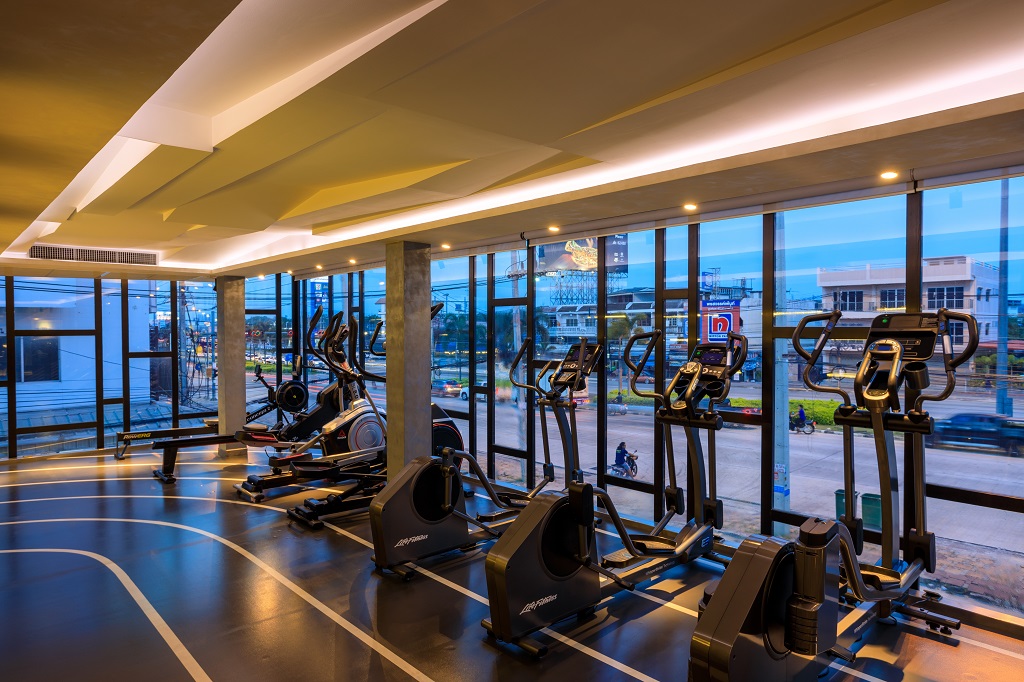
Many gyms buy technology for the owner’s dashboard and forget the member’s first 5 minutes.
A dashboard may look impressive in a demo, but members judge technology by smaller moments: Can I book quickly? Can I enter without embarrassment? Can I cancel without calling? Can I see my package status? Can I reach a person when the app fails?
Staff adoption is often the hidden dealbreaker. If trainers hate the software, session notes become incomplete. If reception staff need 6 tabs to fix a billing issue, the system has moved workload instead of reducing it.
Before buying software, test a full member journey: join online, book a class, check in, miss a payment, freeze membership, buy personal training, cancel inside policy, and ask for support. A clumsy step will create service pressure later.
Privacy Is Part Of Member Service
Fitness centers collect sensitive information: contact details, payment data, attendance, goals, injuries, progress photos, body metrics, and sometimes wearable data.
In the United States, the FTC finalized Health Breach Notification Rule changes in 2024, clarifying coverage for health apps and similar technologies outside HIPAA.
FTC guidance also says July 2024 amendments make makers of health apps, connected devices, and similar products comply with breach notification duties in covered cases.
Practical meaning for a gym owner: collect less data than possible, explain why data is collected, restrict staff access, use strong passwords and role permissions, and check vendor security before connecting apps. Members rarely reward a gym for privacy work. They notice when it fails.
How To Choose Fitness Center Technology
The best choice depends on business model, budget, and service style.
A 24-hour budget gym needs reliable access control, billing, check-in, and support workflows.
A boutique yoga studio needs booking, waitlists, packages, reminders, and a smooth app.
A personal training gym needs client notes, programming, progress tracking, trainer calendars, and payment plans.
Avoid paying for advanced features before basic service is stable. A small studio with messy scheduling will gain more from clean booking rules than from AI-generated marketing emails.
Use a simple buying checklist:
- Does it reduce manual work every week?
- Does it make the member journey faster?
- Can staff learn it without constant workarounds?
- Does it integrate with payment, email, access, and reporting tools?
- Can data be exported if the gym changes vendors?
- Are privacy duties and breach processes clear?
Summary
Technology helps fitness centers save time when it removes repetitive tasks. It improves service when booking, billing, check-in, coaching, and support feel easier for the member.
The safest lesson is practical rather than flashy: software should handle routine work. People should handle judgment, encouragement, coaching, and trust.