
Usually, no. A full repaint or full-body wrap can be completed before forms are filed, but driving the car afterward may require updated registration, title, logbook, or insurer records. The rule depends on where the vehicle is registered.
The main risk is a mismatch between the car seen by police, insurers, buyers, toll systems, or investigators and the official record tied to the plate and VIN.
A small accent stripe rarely creates much paperwork risk. A white sedan wrapped matte black often does. NY DMV guidance says color changes can require updated vehicle documents.
Can You Repaint Or Wrap A Car Without Paperwork?
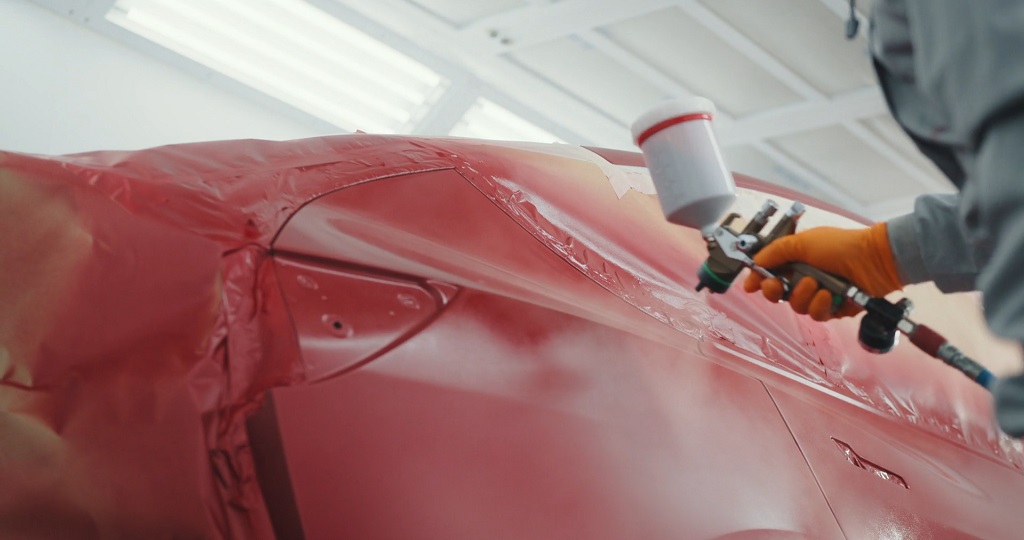
A car owner may usually repaint or wrap a vehicle first, but legal compliance depends on updating records afterward where local rules require it. Paint shops and wrap installers usually handle surface work only. The registration duty normally sits with the registered owner, lessee, or fleet operator.
A wrap shop may transform the car, but future buyers browsing a used Mercedes listing still rely on accurate vehicle details when comparing condition, color, and value.
A useful test: would the car be described differently in a police report, insurance claim, parking citation, border crossing, auction listing, or stolen-vehicle alert? If yes, update the record before any long trip, sale, insurance renewal, or inspection.
| Change | Paperwork Risk | Practical Move |
| Same-color repaint | Low | Keep invoice and paint code |
| Full repaint to another color | High | Update registration, title, or logbook |
| Full vinyl wrap | High | Treat as a visible color change |
| Commercial graphics | Medium | Notify insurer |
| Police-style livery | Severe | Avoid unless authorized |
Why Vehicle Color Records Matter
Vehicle color is an identification field, not just a styling detail. A VIN remains the core identity marker: the NHTSA VIN decoder describes a VIN as a 17-character number that encodes specific information about the vehicle, and its official decoder was updated in June 2026. Color still helps officers, insurers, parking authorities, and buyers match a real car to a record.
Color mismatches become more serious when paired with other red flags. Texas DMV advice tells used-car buyers to check that the VIN is present, secure, unaltered, and not repainted, and to make sure title and registration match the seller.

United States Examples: Rules Are State Based
No single U.S. rule covers every state. Vehicle registration is handled mainly at state level, so paperwork can change from New York to Texas to Washington.
New York
New York gives one of the clearest examples. NY DMV says that if vehicle color, fuel, cylinders, weight, body type, year, make, or VIN changes, the owner should send the original title, and a new title will be issued.
New registration documents are given immediately in person, while a new title may take 60 to 90 days to arrive by mail.
Texas
Texas does not hide color in fine print. TxDMV says it collects vehicle color information for title applications. Its vehicle color chart tells applicants with two-color, camouflage, or custom-painted vehicles to select a major color and minor color based on the most predominant colors.
Washington State
Washington’s title application instructions ask for Color #1 and Color #2. The Washington title instructions define Color #1 as primary color and Color #2 as secondary color, leaving the second field blank for a single-color vehicle.
United Kingdom Example: DVLA Treats Colour As A V5C Change
In Great Britain, the answer is direct. GOV.UK vehicle guidance says vehicle keepers must update the V5C registration certificate when they change colour, along with changes such as engine, cylinder capacity, fuel type, seating capacity, or certain body and chassis details.
DVLA may confirm the change, request an inspection, or tell the keeper about vehicle-tax impact. DVLA update steps say a replacement certificate can take 2 to 4 weeks by post. For a wrap, full color-change film should be treated like paint because the vehicle’s visible colour has changed.
Paint, Wrap, Plastic Dip: Which Change Counts?
A color change usually counts when the car’s dominant visible color changes. Registration agencies often use broad categories, not marketing names. A factory “Sonic Gray Pearl” may appear as gray. A black car with a yellow hood may still be black if black covers most panels.
- Full repaint from red to white: update records where color is listed.
- Full wrap from silver to matte green: update records where visible color controls.
- Clear paint-protection film: usually no color change.
- Color-shift or chrome wrap: ask the agency how to classify it.
- Removable dip for a weekend event: lower risk, but insurer and local rules may still matter.
Insurance Risks After A Color Change
A color change can affect claim handling even when a registration office is relaxed. AXA modification guidance describes changing body paint colour as an aesthetic modification and says modifications need to be declared to the insurer, even aesthetic ones.
Aviva modification guidance also says insurers should be told about planned or existing changes, and non-disclosure could lead to a cancelled policy or denied claim.
Color itself is rarely the whole insurance issue. Cost matters. A high-end wrap, custom candy paint, ceramic coating, chrome film, or branded commercial graphics can raise repair cost after a crash. Insurers may also care about theft appeal, business use, or whether a wrap hides previous damage.
Police-Style Colors And Emergency Markings
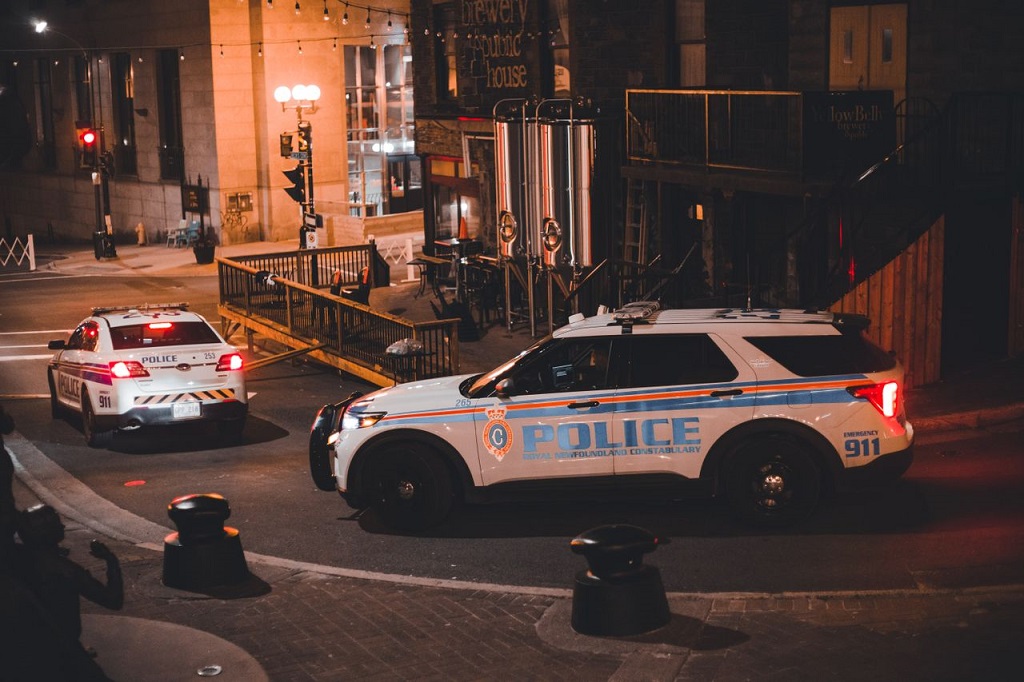
Do not copy police, sheriff, highway patrol, ambulance, or fire markings. Plain black, white, blue, or green paint is usually ordinary. A livery that looks official can cross a legal line.
Florida offers a concrete warning. Florida Highway Patrol law names “Florida Highway Patrol black and tan” as the patrol’s distinctive vehicle colors and bars unauthorized vehicles from being colored the same or similar colors.
Florida impersonation law also restricts vehicles marked with words such as “police,” “sheriff,” “trooper,” “highway patrol,” or certain official-looking insignia when used with intent to mislead.
What Paperwork Do Owners Usually Need?
The exact form varies, but color-change updates usually need basic identity and ownership documents.
Expect some mix of current registration, original title, V5C log book, registration amendment form, driver ID, lienholder involvement for financed cars, a fee, and evidence such as invoice or photos.
Leased cars need extra care. Many lease contracts restrict repainting, wraps, adhesive graphics, window tint, or permanent body alterations. Even where traffic law allows a new color, a finance company can charge for restoration at lease return.
Practical Checklist Before Changing Car Color
Before booking paint or wrap work, check the current registration, title, or logbook and note the listed color. Search the registration agency for “change vehicle color” plus the state or country.
Ask whether a wrap counts the same as paint. Call the insurer before work starts, especially for a full-body wrap or custom paint.
Avoid official-looking livery, badges, patrol wording, sirens, or warning lamps. Keep before-and-after photos, shop invoice, material brand, paint code, and coverage description.
A Legal Color Change Needs Clean Records
Changing car color is usually legal, but “legal” and “no paperwork” are different questions. A minor cosmetic accent may create little risk. A full repaint or wrap should be treated as a registration and insurance update unless local rules clearly say otherwise.
The best habit is simple: match the visible car, the official vehicle record, and the insurance file. Clean paperwork makes police stops shorter, claims easier, resale smoother, and theft or fraud questions less likely.